

Key Takeaways
- Appetite shifts with age as taste, smell, and digestion change.
- Dental discomfort, certain medications, and eating alone can shrink interest in food.
- Smaller plates, bold seasoning, and shared tables help.
- Noticeable weight loss or grocery struggles are a good moment to ask for support.
- Dining at Juniper Village at Mount Joy pairs chef-prepared choices with company at the table.
What to Do When Food Stops Sounding Good
You thought your loved one would clear the plate, but half of it comes back to the kitchen. And soon, you’ve started counting bites. Our team at Juniper Village at Mount Joy knows how food and dining can sometimes become difficult with appetite loss. And we also understand the concerns that come with it.
A smaller appetite tends to have an underlying reason. Once found, simple adjustments to flavor, timing, and company can usually restore eating pleasure.
Why Appetite Changes with Age
It’s normal for taste and smell to shift over time. A recipe your loved one has made for 40 years can suddenly taste bland. It could also be that food lacking in a strong aroma may not make them hungry anymore. Nonetheless, this change deserves attention and is worth working around.
Digestion tends to slow with age as well. On some days, the full feeling after lunch can stretch into the afternoon. Also consider how a quieter daily routine asks less of the body in terms of calories. When these factors combine, portions that used to feel right can start to look enormous.
This is why meal planning for older adults should focus on quality over quantity.
Common Reasons Behind a Smaller Appetite
Physical and Dental Causes
A sore throat, loose dentures, or a dry mouth turns even the smallest bites into exhausting work. When chewing hurts, skipping the meal can feel tempting.
In addition, constipation and reflux can leave the stomach feeling full before the fork is even lifted. Also know that ongoing health conditions can change how much fuel the body asks for.
Medication Side Effects
Some medicines dull taste or leave a metallic edge on everything. Others may bring on nausea that makes a favorite dish unappealing. A quick review of the full medication list with a medical provider allows for easy adjustments.
Mood and Time Spent Alone
Grief, low mood, or a long stretch of quiet days can take the interest out of food. And when your loved one lives alone, cooking for just themselves can feel like a chore with little payoff.
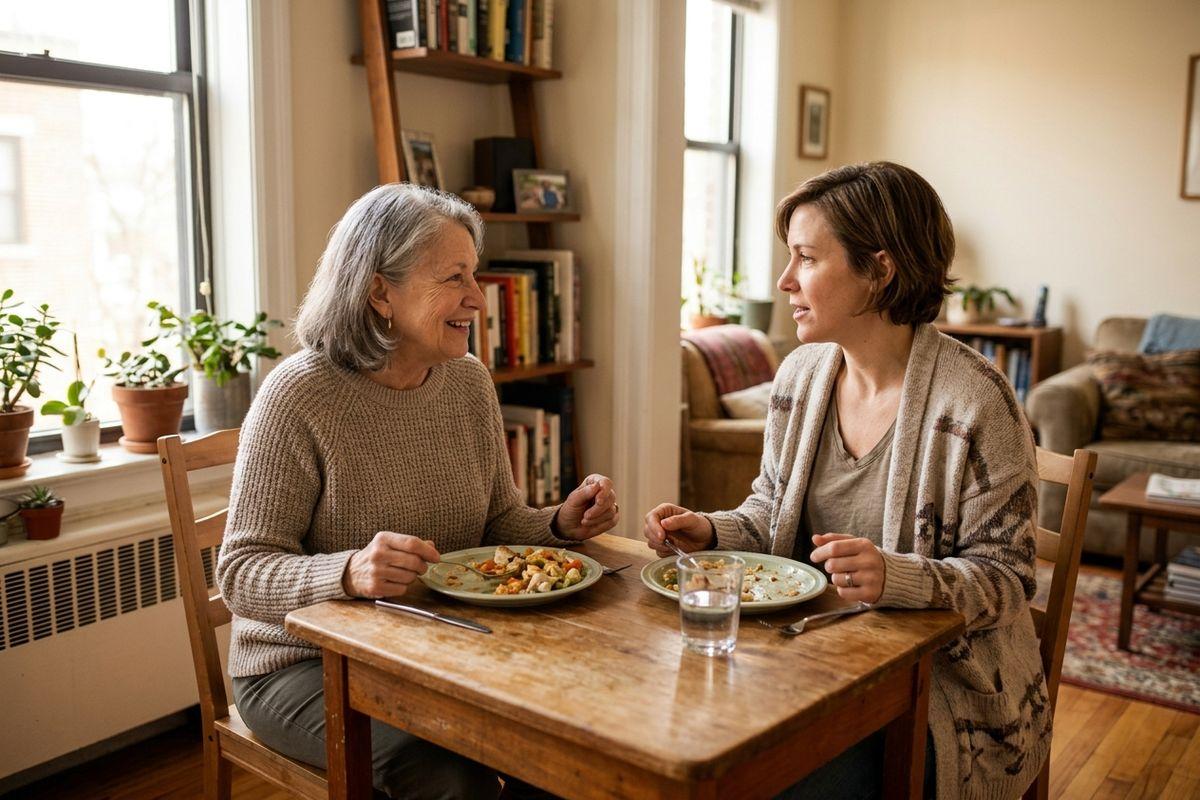
Eating alone removes the rhythm that makes a meal enjoyable. Think about what makes a meal special. It’s not just the food itself, but also the conversation and the laughter. Community living brings company to every meal, which helps prevent social isolation for older adults.
Practical Ways to Make Meals More Appealing
Food and Flavor Ideas
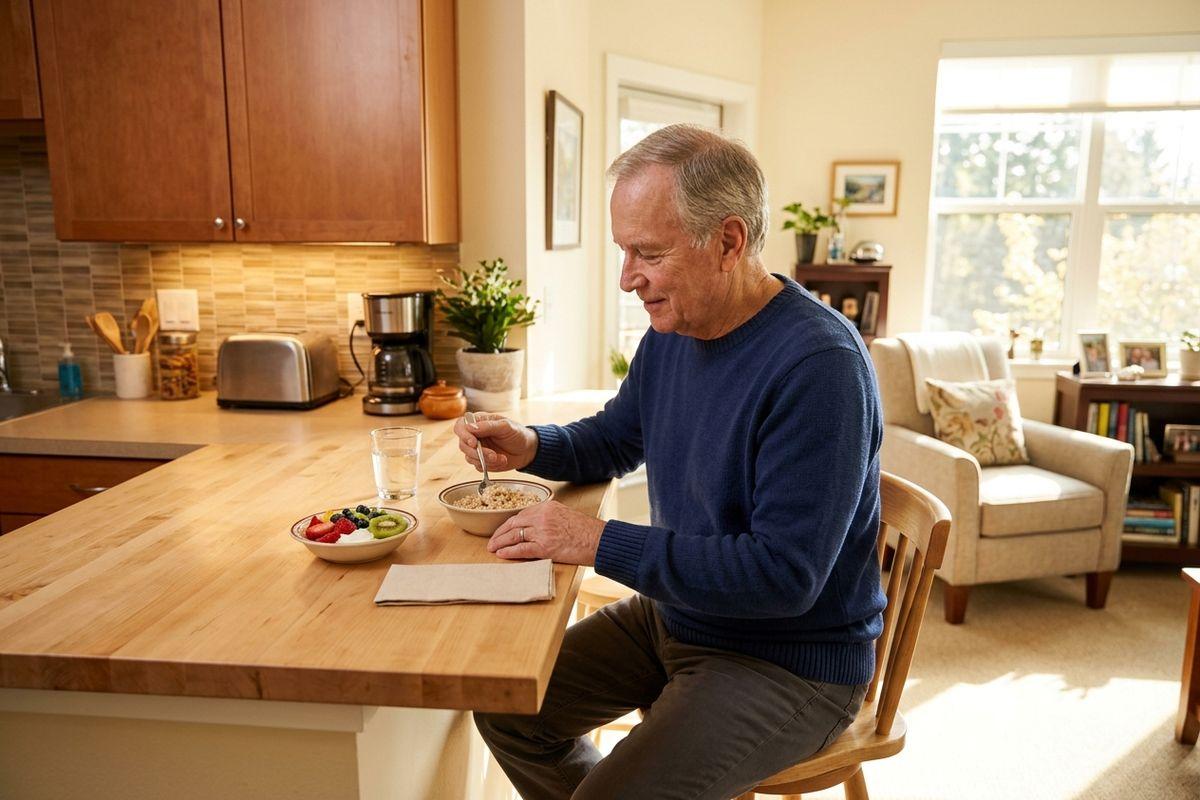
A modest bowl of oatmeal at 9 AM, cheese and fruit at 11 AM, and soup at 1 PM tend to be easier on the stomach than one large lunch.
Try leaning on herbs, spices, lemon, and familiar favorites that carry real flavor. If chewing is tiring for your loved one, these soft options can work well.
- Hearty soups and stews
- Yogurt with honey or soft fruit
- Smoothies blended with nut butter or milk
- Scrambled eggs, mashed potatoes, and slow-cooked meats
Timing and Hydration
Fluids fill the stomach fast. Offer water and tea between meals rather than right before one. That way, there’s room when the plate arrives. A steady mealtime routine also helps the body expect hunger. It helps to look into simple nutrition tips so that the plate holds both flavor and nutrition.
Gentle movement earlier in the day can spark better appetite. Not only that, a simple walk around the block and easy indoor exercises after lunch can help with digestion as well.
Setting and Company
Encourage your loved one to share meals whenever they can, even if it’s just twice a week or over a video call. And try to clear out the dining space. Clutter and noise can make eating feel like a chore. If you’re sharing a meal with your loved one, you can keep a few conversation starters in your back pocket. That ensures there’s always something for you and your loved one to talk about.
Chopping vegetables ahead of time and portioning meals remove decision fatigue. This makes it much easier for your loved one to start eating.
Signs It’s Time to Ask for Help
Some changes deserve a closer look rather than another recipe.
- Lack of interest in food that lasts more than a couple of weeks
- Noticeable weight loss or clothes fitting loosely
- Low energy, weakness, or unsteadiness during the day
- Groceries, cooking, and cleanup becoming hard to manage alone
None of this means your loved one is no longer independent. What they show is that the daily work around meals has grown heavier. And personal care can step in to offer some help.
How Dining at Juniper Village at Mount Joy Supports Appetite
At Juniper Village at Mount Joy, chefs prepare meals with real choices daily. Your loved one picks what sounds good instead of settling. Menus change, seasoning is generous, and our kitchen adjusts through personalized care plans.
The tables do a lot of the work. Neighbors save seats and conversation runs long. Our goal is to make each and every meal in our community something that your loved one can look forward to. On top of that, personal care handles housekeeping, laundry, and transportation. That frees your loved one’s energy for the day to try out a variety of flavors.
Start with one or two small changes. Sometimes, bolder seasoning and a standing lunch date can bring appetite back. When you and your loved one are ready for more, schedule a visit to Juniper Village at Mount Joy. You can stay for lunch and see how meals here make every moment special.