

Key Takeaways
- Personal care provides day-to-day support while giving older adults room to keep doing what matters to them.
- Regular check-ins create opportunities to notice changes in a parent’s usual routines, energy, mobility, or behavior.
- Medication support can add consistency to an important part of the day.
- Personal care communities have procedures for responding when a health concern requires immediate attention.
- Asking about health monitoring, emergency procedures, and family communication can help you compare personal care options.
What Support and Readiness Look Like in Personal Care
When a parent lives on their own, you may be the one watching for changes. Maybe they’re moving more slowly, skipping meals, having trouble keeping medications straight, or simply seeming less like themselves. As those concerns add up, it’s natural to wonder how personal care changes the picture.
Personal care homes combine everyday support with regular interaction, which creates more opportunities to recognize changes and respond when a health concern comes up. They offer health monitoring services, including check-ins, medication support, documentation, and communication about changing needs. They also have procedures for situations that require emergency medical attention to keep residents safe every day.
What Personal Care Means Day to Day
Personal care supports older adults with tasks that have become difficult to manage alone. Depending on someone’s needs, that can include help with bathing, dressing, mobility, medications, meals, and other parts of the daily routine. The amount of support can change as needs change.
But needing some help doesn’t mean giving up the rest of the day. Your parent can still spend an afternoon with friends, join an activity that catches their interest, or settle into a favorite routine. The support is there where it’s needed, while everyday life remains their own.
How Health Monitoring Works in a Personal Care Home
Health monitoring is often woven into everyday interactions rather than limited to a single check at a set time. Regular contact gives team members opportunities to become familiar with someone’s routines and recognize changes that may need attention.
Daily Check-Ins
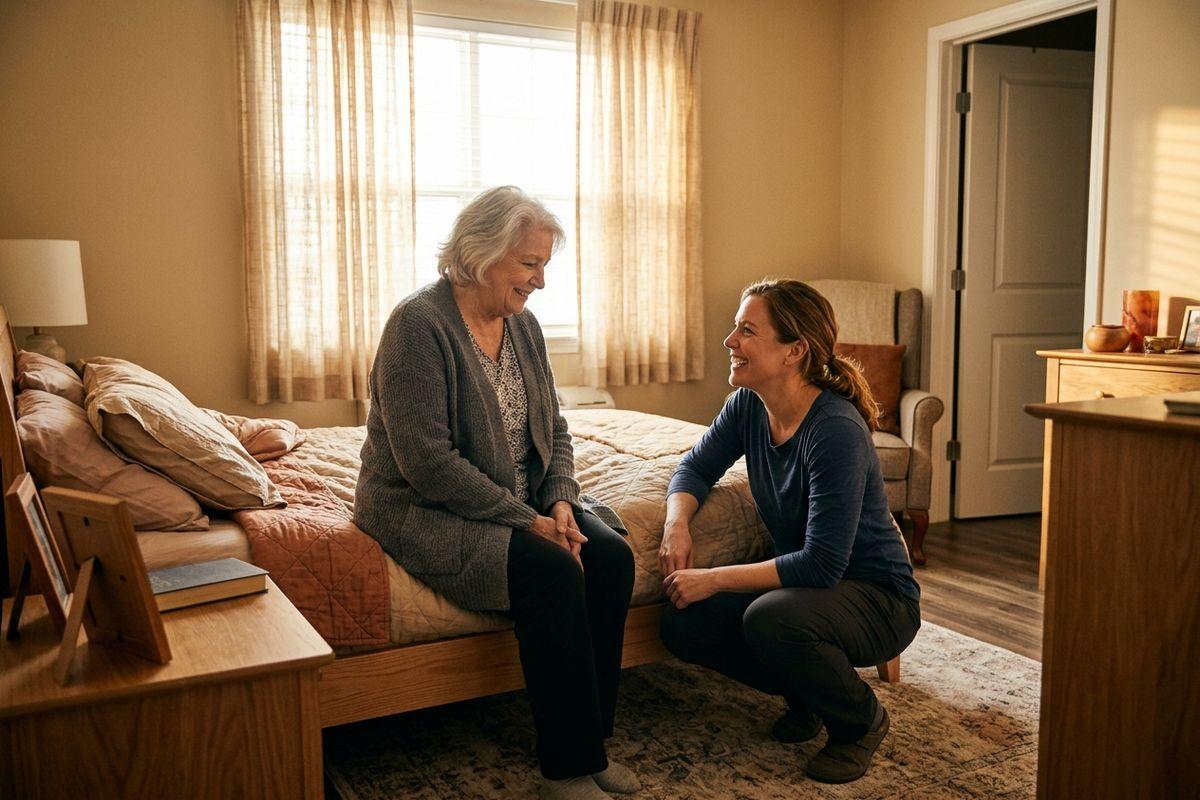
Regular interaction gives team members a chance to see how your parent is doing from one day to the next. Changes in appetite, energy, mobility, behavior, or participation may stand out when someone is familiar with their usual routine. A single change doesn’t always signal a health problem, but it can give the team a reason to pay closer attention.
Medication Support
Medication routines can become harder to manage when prescriptions, schedules, or health needs change. Personal care can provide medication support based on your parent’s needs and the services available in the community. This adds structure to a task that can otherwise become confusing or easy to miss.
Health Documentation
When a team member notices a relevant change, documenting that information creates a record of what has been observed. This can make it easier to see whether something was a one-time occurrence or part of a developing pattern. Clear documentation also gives the team information to reference as they support your parent.
Care Coordination
A change in health needs may involve more than one person. Personal care teams can communicate relevant information according to the community’s procedures and the support a resident requires. Knowing that process ahead of time can make it easier to understand what to expect if your parent’s needs change.

What Happens During a Medical Emergency in Personal Care?
Not every health change is an emergency. But when a situation requires immediate attention, personal care communities follow established procedures based on what is happening and the level of response required.
Who Responds to a Medical Emergency?
The first response depends on the situation and the community’s emergency procedures. Team members can assess what is happening within the scope of their roles and take the appropriate next steps. Those steps may include contacting emergency medical services when outside medical attention is needed.
When Are Emergency Medical Services Called?
Some situations require care beyond what a personal care community can provide. In those cases, emergency medical services may be contacted so the resident can receive appropriate medical attention. The exact response depends on the circumstances and the community’s procedures.
How Are Families Contacted After a Health Emergency?
Family communication is another important part of understanding a community’s emergency procedures. Ask when families are contacted, who typically provides updates, and what information they can expect to receive. It’s also worth confirming that the community has current contact information for the people who should be notified.
What Should Families Ask About Health Monitoring and Emergency Response?
A tour gives you a chance to look beyond general promises and learn how a community handles the situations that matter to your family. Emergency procedures, medication services, communication practices, and available support can differ, so ask for specifics.
Try asking:
- How are changes in my parent’s health documented?
- What medication support is available?
- What happens if my parent needs urgent medical attention?
- How and when will our family be contacted?
- How does the community respond when my parent’s health needs change?
The answers can help you compare communities based on your parent’s needs instead of relying on assumptions about what personal care includes.
Find the Right Personal Care Support for Your Parent
Choosing personal care isn’t only about preparing for emergencies. It’s about knowing what everyday support looks like, how changes are handled, and whether your parent can keep spending their time in ways that feel like them. Asking specific questions can give your family a much clearer sense of what life in a community would actually look like.
At Juniper Village at Mount Joy, personal care starts with getting to know the person behind the support plan—their routines, preferences, interests, and needs. A visit gives your family the chance to ask questions, see the community firsthand, and talk about the support your parent may need. Schedule a visit today to learn more about personal care and the lifestyle we can offer your loved one.