

Key Takeaways
- Home care has real limits, and the gaps can appear gradually.
- Physical changes, memory shifts, and social withdrawal are key signs to watch for.
- Senior living today looks very different from what most people picture.
- Personal care can offer a personalized, fulfilling path forward.
- Starting the conversation with warmth and curiosity makes all the difference.
When Home Care Starts to Fall Short
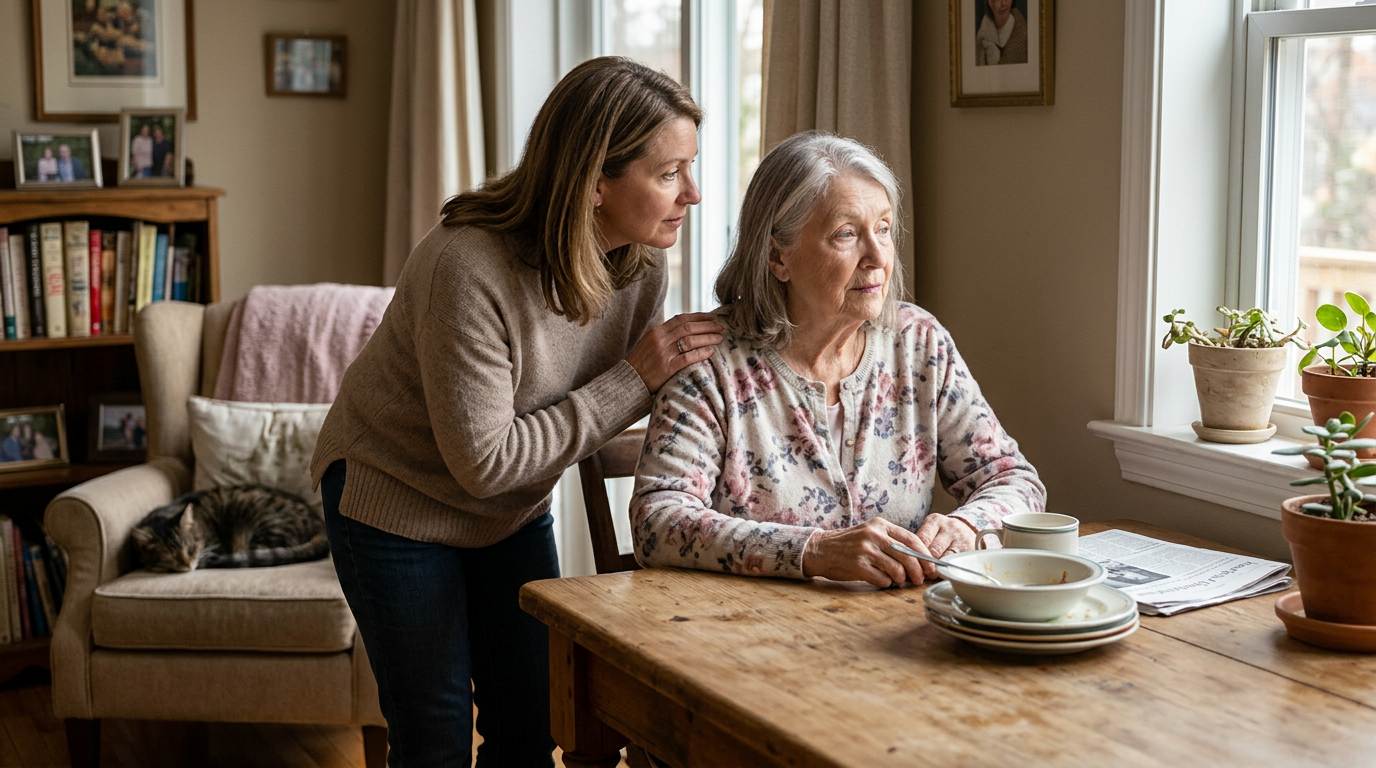
You want what’s best for your loved one, and for a long time, home care may have felt like exactly that. A familiar kitchen, a favorite chair, the comfort of known surroundings. But sometimes, even with the best intentions and support in place, home care quietly starts to stretch beyond what it can reasonably offer.
When the needs grow faster than the care can keep up, it may be time to look at what senior living can genuinely provide. Recognizing the signs early doesn’t mean giving something up; it means opening a door to something more.
Signs It May Be Time to Think Beyond Home Care
Physical and Daily Living Changes
Small changes can be easy to brush off at first. Maybe your loved one has lost a little weight, or you’ve noticed the stove left on one too many times. But when daily tasks like bathing, dressing, or managing medications become a regular struggle, those aren’t small things anymore.
Frequent falls or close calls are another signal worth taking seriously. A single fall can shift everything, and home environments aren’t always set up to prevent the next one. Personal care communities are designed with exactly these rhythms in mind, woven into daily life rather than added on as an afterthought.
Emotional and Social Withdrawal
Loneliness is one of the most quietly impactful parts of aging at home. When your loved one stops calling friends, loses interest in hobbies they once loved, or spends most of their time alone, that matters just as much as any physical change.
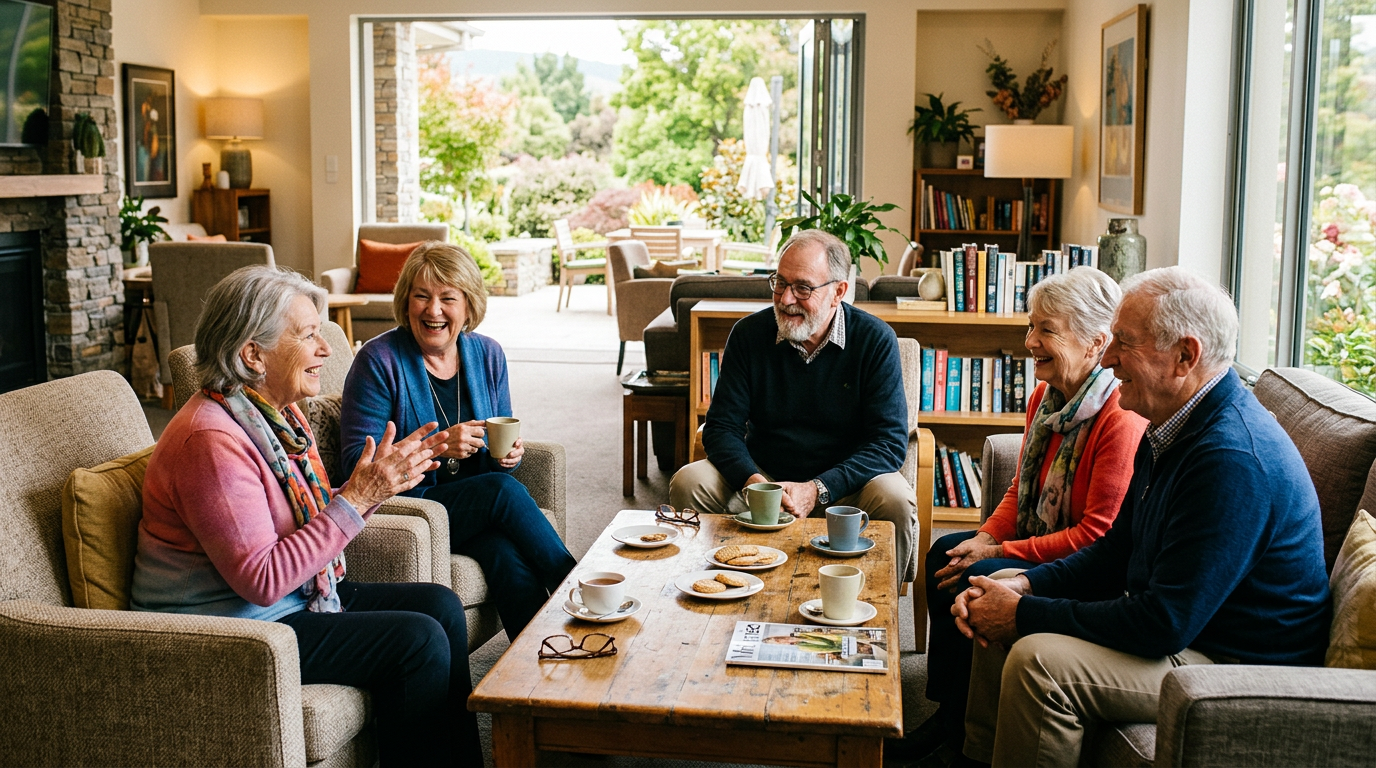
Senior living communities offer something home care simply can’t replicate: the hum of everyday life with people who genuinely get it. Shared meals, spontaneous conversations, group activities, and neighbors who knock on doors. That kind of belonging isn’t a bonus. It’s part of what makes each day worth waking up for.
What Senior Living Actually Looks Like Today
Here’s the thing, senior living in 2026 looks nothing like the outdated images many people carry around. Today’s communities are vibrant, personalized, and built around real lives, not rigid schedules.
- Personal care and assisted living offer hands-on support with daily tasks while leaving plenty of room for independence and personality.
- Memory care provides a thoughtfully structured environment for those navigating cognitive changes.
- Independent living is a great fit for those who want the warmth of community life without the demands of maintaining a home.
- Skilled nursing steps in when more involved medical support becomes part of the picture.
The thread running through all of it? Personalization. A well-being assessment shapes every care plan, not a checklist, but a real conversation about who your loved one is and how they want to live.
How to Start the Conversation with Your Loved One
Approach the Topic with Warmth
This conversation doesn’t have to feel heavy. Lead with curiosity instead of urgency. Ask what they enjoy, what feels hard lately, and what they wish looked a little different. When the focus stays on lifestyle, joy, and connection rather than limitations, the whole tone shifts.
Your loved one wants to feel heard, not managed. A gentle, open conversation can plant a seed that grows into something they actually feel excited about. Need a starting point? These 25 questions to ask senior loved ones can help spark a meaningful dialogue.
Tour a Community Together
No brochure captures the smell of fresh coffee in a sun-filled common room or the sound of laughter drifting down a hallway. A visit does. Walk through together, notice the faces, ask questions, and let the everyday rhythm of the community speak for itself.
More often than not, people leave a tour with a very different feeling than when they arrived. It also helps to come prepared by browsing a list of questions to ask when touring a personal care community can make the experience even more insightful.
What Comes Next for Your Family
At Juniper Village at Mount Joy, the path forward doesn’t have to feel overwhelming. Personal care exists so your loved one can age in place with dignity, and your family can breathe a little easier knowing support is always right there.
This chapter can be fuller, warmer, and more connected than you might expect. Reach out to the team at Juniper Village at Mount Joy to start the conversation, and come see what life here actually feels like.