

Watching a parent grow quieter over time can be difficult to put into words. Maybe phone calls become shorter, outings happen less often, or the house feels a little too still during visits. These changes don’t always happen all at once, but they can gradually affect how someone feels day to day.
Social isolation can impact emotional and physical well-being, especially as daily routines shift with age. For many families, exploring personal care and senior living becomes less about “making a change” and more about restoring connection, structure, and a sense of belonging. With the right support, older adults can stay engaged in ways that feel natural and fulfilling.
Key Takeaways
- Social isolation in older adults often develops gradually due to routine changes, mobility limitations, or smaller social circles
- Reduced interaction can impact mood, energy levels, cognitive health, and daily structure over time
- Early awareness of isolation helps families take steps to improve engagement and support
- Senior living communities provide built-in opportunities for connection through shared spaces and activities
- Personal care support reduces daily responsibilities, allowing more time for meaningful interaction
Common Reasons Older Adults Feel Isolated
Isolation often develops gradually, shaped by changes in lifestyle, health, and social circles. What once felt like a full and active routine can shift into quieter, more limited days. This develops due to many potential underlying reasons.
Loss of Routine and Daily Structure
After retirement or a major life change, daily structure can begin to fade. Without regular responsibilities or scheduled activities, days may start to feel repetitive or less purposeful. Over time, this lack of structure can make it harder to stay engaged or motivated. Reintroducing routine through meaningful activities often helps restore a sense of direction.
Limited Mobility or Health Challenges
Physical limitations can make it more difficult to leave home or participate in activities. Even small barriers, like difficulty driving or navigating public spaces, can lead to fewer outings. As a result, social opportunities may become less frequent without anyone intending for that to happen. Support that reduces these barriers can make it easier to stay connected.
Shrinking Social Circles
As people age, social circles naturally change. Friends may move away, experience health challenges, or pass on, which can leave fewer opportunities for regular interaction. Family members may also live farther away or have busy schedules. These shifts can create long stretches of time without meaningful conversation or connection.
The Risk of Isolation for Older Adults
Social isolation doesn’t just affect how someone feels—it can influence overall health and daily functioning. When connection becomes limited, it often impacts multiple areas of life at once.
Over time, isolation can lead to:
- Increased risk of cognitive decline
- Higher likelihood of depression or low mood
- Reduced physical activity and energy levels
- Greater risk of chronic health concerns
- Disrupted sleep and daily routines
Even subtle changes in engagement can build over time, which is why early awareness and support can make a meaningful difference.
How Senior Living Helps with Isolation
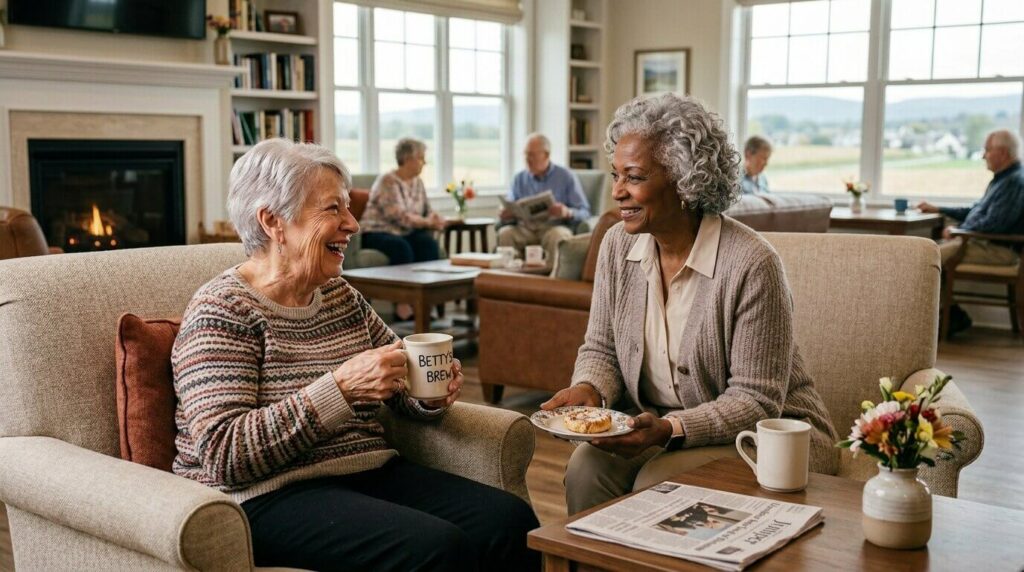
Senior living communities are designed to bring connection back into everyday life in a natural, comfortable way. Instead of needing to seek out interaction, opportunities for engagement are built into the daily routine. This shift often helps older adults feel more involved without adding pressure or complexity.
A Life Shaped Around Personal Preferences
Personal care communities take the time to understand each person’s routine, interests, and pace. Support is designed to complement independence, not replace it, so individuals can continue living in a way that feels familiar. Whether someone enjoys quiet mornings or social afternoons, their day can reflect those preferences. This balance helps create a sense of comfort while still encouraging engagement.
Built-In Opportunities for Daily Connection
Shared dining, common areas, and community spaces naturally bring people together. These moments of connection often happen casually, without the need for planning or coordination. Regular interaction becomes part of the rhythm of the day, whether through conversation over meals or time spent in shared spaces. Over time, these small interactions can build meaningful relationships.
Convenient Community Activities
Communities offer a range of activities designed to meet different interests and energy levels. From group fitness classes to creative workshops and social gatherings, there are consistent opportunities to participate. The convenience of having activities on-site removes many of the barriers that can make engagement difficult at home. This makes it easier to stay involved without feeling overwhelmed.
Support That Reduces Daily Stress
Managing daily tasks alone can take up time and energy that might otherwise go toward social interaction. Personal care support helps with things like housekeeping, meals, and daily routines, creating more space for meaningful activities. When those responsibilities are handled, individuals often feel more relaxed and open to connection. This shift can make daily life feel more manageable and enjoyable.
The Juniper Difference: Come Discover Life in Mount Joy
At Juniper Village at Mount Joy, connection is part of everyday life. From personalized care to shared experiences, each day is designed to feel engaging, supportive, and meaningful. The focus is on creating an environment where individuals can continue living in a way that reflects who they are. With the right balance of independence and support, daily life can feel both comfortable and full.
Our community is built around relationships, routine, and opportunities to stay involved. Whether it’s enjoying a meal with neighbors or participating in a favorite activity, connection happens naturally throughout the day. We’re here to help your loved one feel supported while staying engaged in what matters most. Schedule a visit with us today to come discover the joys of life in Mount Joy.